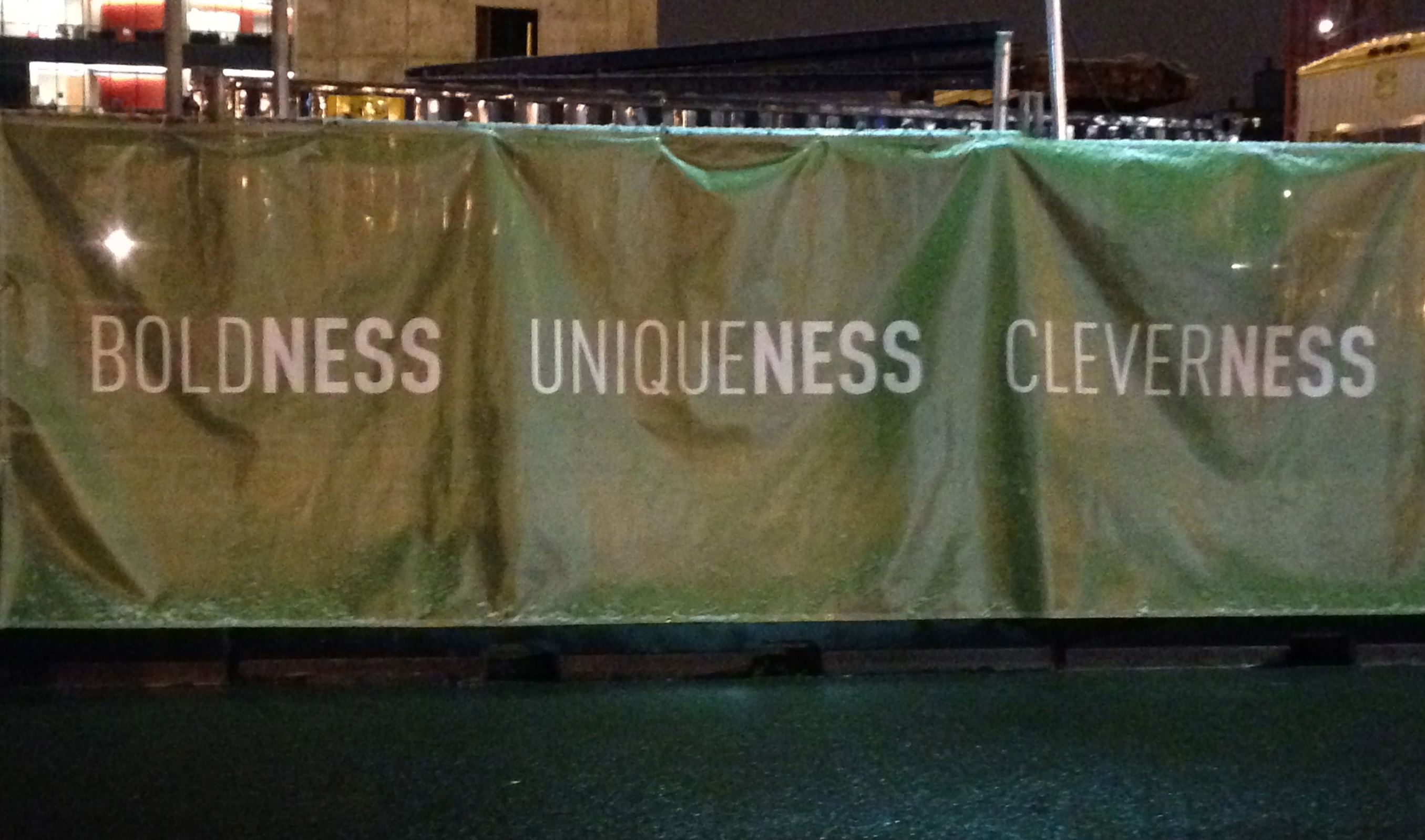
Two days ago, I showed photos with No’s, including:
If you checked my tags for that post — Day 609: Invisible — you would have seen this one, at the end:
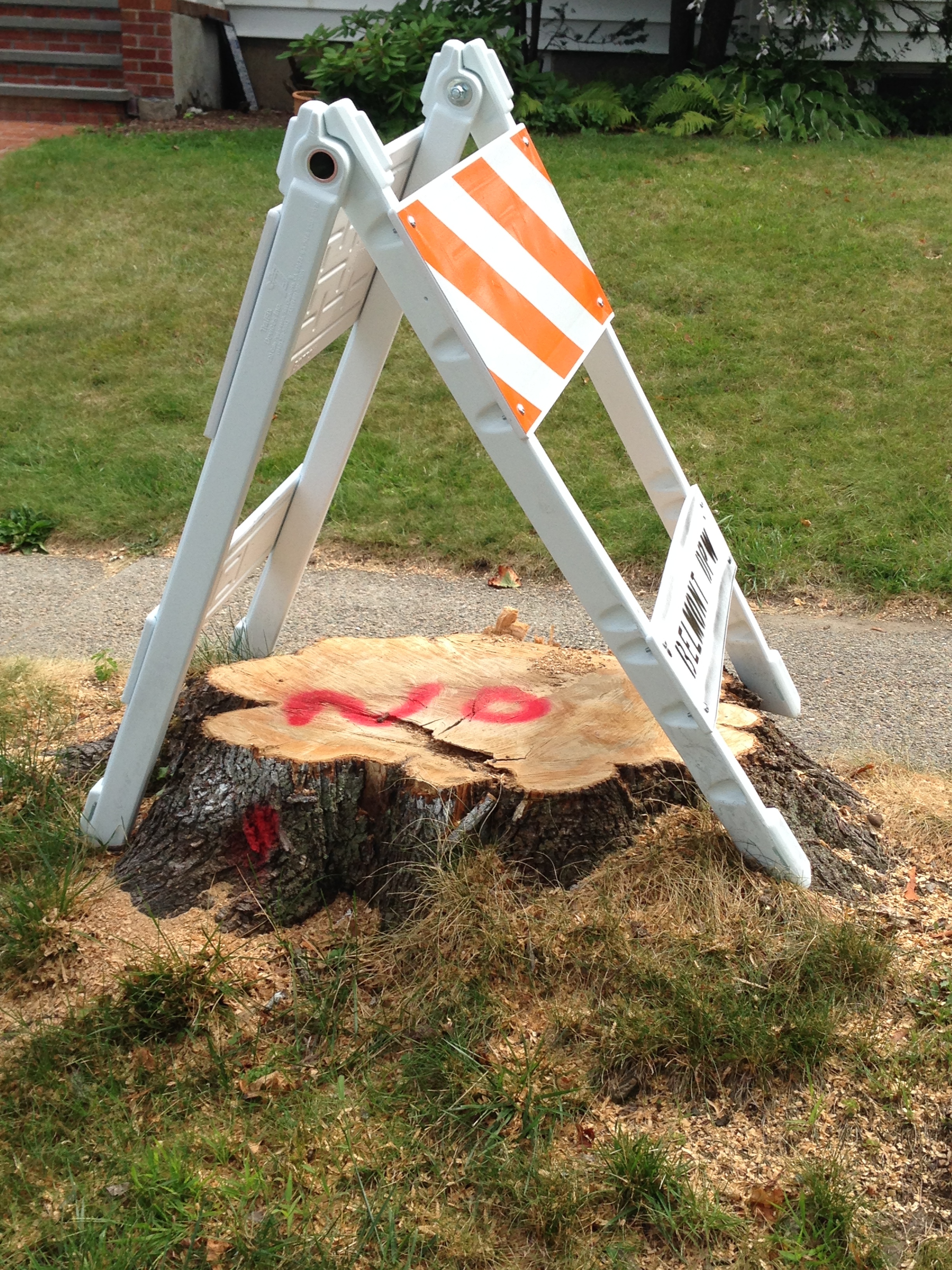
What trees might feel about being cut down
Just now, I added another tag, there:
What trees might say about being cut down
Does everybody know what a “tag” is, in the world of WordPress?
If you said “No,” here’s some information about tags:
Tags provide a useful way to group related posts together and to quickly tell readers what a post is about. Tags also make it easier for people to find your content. Tags are similar to, but more specific than, categories. The use of tags is completely optional.
If my new tag had made more than fifteen tags for that post, I would have said “no” to another tag. Regular readers might be surprised at my saying “no” to a list entry, because I never say “No” to a good list. However, my memory is that WordPress says “No” to excessive tagging, and I quote:
Your posts will appear in the topic listings of any tags or categories you use. Therefore, assigning tags and categories to your post increases the chance that other WordPress.com users will see your content.
However, you don’t want irrelevant content showing up on the topic listings or search, and neither do we. That’s why we limit the number of tags and categories that can be used on a public tag listing. Five to 15 tags (or categories, or a combination of the two) is a good number to add to each of your posts. The more categories you use, the less likely it is that your post will be selected for inclusion in the topic listings.
Hmm. I could have sworn I saw a more direct, obvious “No” about using more than 15 tags at WordPress. My memory is that WordPress told me that if I used more than fifteen tags, all my tags would become invisible. Let’s see if I can quickly find something about that.
No.
It looks like I may be starting a false rumor (something I always try to say “NO!” to). While I may have a distinct memory of seeing a firm WordPress “NO!” to more than 15 tags, here’s what I just found:
Is there a limit to the number of tags I can have?
Yes, the sky. In other words, no.
So if there ever was such a tag-limiting rule, WordPress has said “No” to such limits.
I like WordPress’s answer to its own question about tag number limits, especially because it includes “no” AND its opposite “yes.”
Is everybody with me?
I’m guessing I got some No’s in response, there.
What else do I want to tell you — about “Saying No” — right now?
Yesterday, my downstairs neighbor, Karen, said “No” to my assumption that the tree in back was being cut down that day. The tree has a one-week reprieve and will get its final “No” next week, on September 9 (my late father’s birthday).
Yesterday, I set limits with somebody at work, saying a firm “No” to attempts to push boundaries with me.
Yesterday, people at work said a resounding “Yes!” — with no “No’s” I could hear — to a proposal I’ve made about improving the delivery of behavioral health services at the hospital’s primary care practice.
Yesterday, I found out (from a third party) that a person, outside of work, who had contacted me about a possible “Yes” to something I want, has decided to say “No” … and is taking their time telling me “No” directly. (This is a style of communication I say “NO!” to, whenever possible, and which I’ve written about here, here, here, AND here).
Is all of that clear? I would assume No, since I need to be unclear about details here, sometimes, because of confidentiality and other issues.
I would love to say “YES!” to clarity at all times, but I’m doing the best that I can.
Is it time for me to end this post?
Not yet.
Today is the day my 16-year-old son, Aaron, returns to school.
Based on past experiences, I’m assuming he might want to say NO!! to all that.
Here’s some actual dialogue we just had:
Me: Do you feel okay?
Aaron: No.
Me: Is there something I can get you?
Aaron (who usually says “No” to breakfast): Yes.
Me (expecting to hear “No” to this next question): Do you feel ready for school?
Aaron: I guess.
Me (after I put breakfast out for him): Is there anything else I can do?
Thanks to Aaron, to WordPress, to those who tag (in any form of that word), to people who say “No” and “Yes” as best they can, and to you, especially, for saying “yes” to this post, today.
Last week, somebody in therapy used a phrase I’ve heard many times:
I have a wall around me.
This person was referring to a self-protective barrier, between themselves and other people. And it made sense that the wall was there, because of past betrayals and inappropriate intrusions.
I like to reflect other people’s language back to them, because I think the words they use are very important. I also find that metaphors can help explore and uncover possibilities for change.
So I asked questions about that wall:
What kind of wall is it?
What does it look like?
How much space is there between you and the wall?
How high up does it go?
What is it made of?
Does it change?
How does it feel to be inside the wall?
As we talked about the wall, we agreed a wall could have good sides: Walls can protect and give somebody a safe place to be.
It is easier to be friendly with your neighbor if neither of you trespasses upon the other’s property or privacy.
This person recognized the benefits of a wall, but was unhappy with it. This wall had served a protective purpose in the past, but was no longer effective. This person had out-grown that wall; also, the wall was keeping out others besides the original people it was designed for.
So, together, we tried constructing a different wall.
At first, this person was unable to think of other possibilities. The existing wall was so familiar and so old, it was difficult to imagine anything else being there, instead.
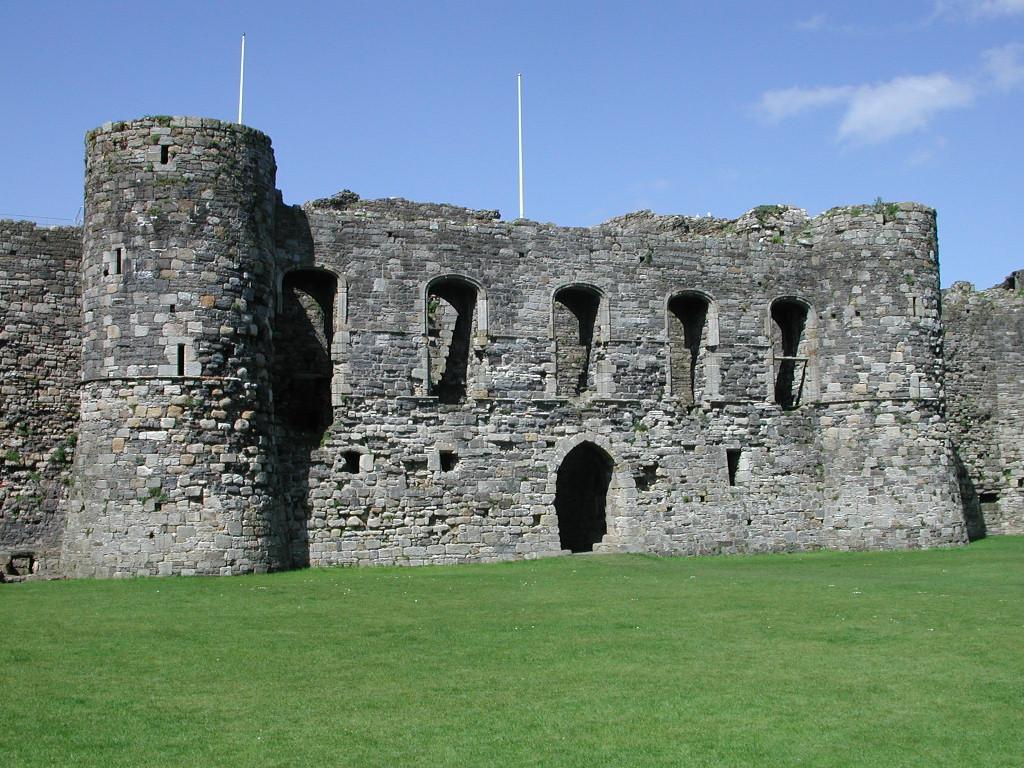
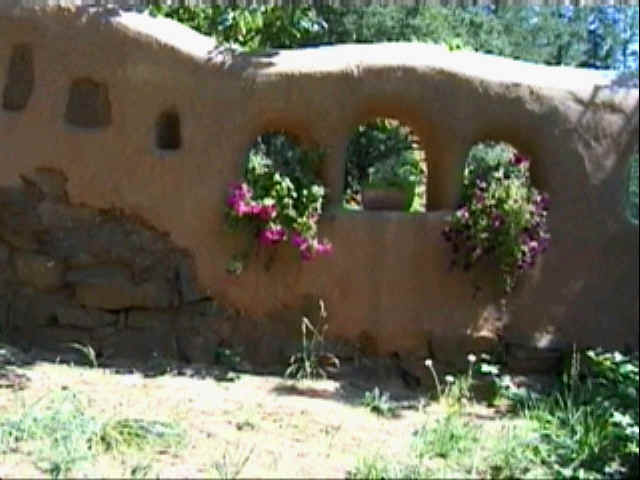
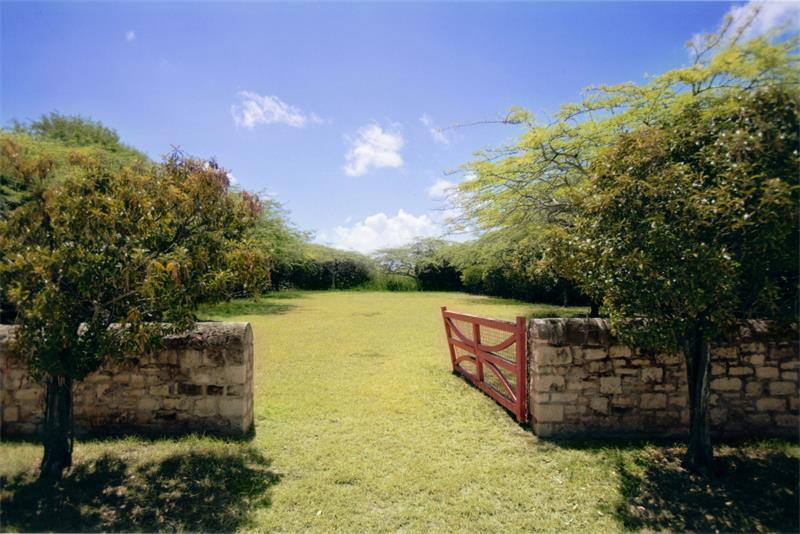
But, very soon, we were speculating about other walls. We considered castle walls, like these:
We both realized there were lots of options, to re-construct that wall.
And, we realized the reconstruction project is completely under the control of the wall owner, who has the control to change the old wall to a new wall better fitting the current needs and conditions. There’s no need to tear down an old familiar wall, too soon. There’s time to work on that reconstruction, and (unlike real home re-building projects) every step along the way can bring improvement.
This post I’m building is almost finished. What improvements are left to do?
(1) Check my trusty iPhone camera, for an example of walls.
Oh! And here’s a photo I took recently, that I haven’t shared yet:
It’s a Wall of Candy (etc.)!!
Sorry, I got distracted. Where was I?
Oh yes. What’s left to do, before I end this post.
(2) Look into the near future, for walls (and other things) I may be seeing soon:
5
6
Ahhhhhhh. That’s better.
(3) Give credit, especially to writers, artists, and other people who create.
For example, the phrase “Good fences make good neighbors” is not just an old saying. It also appears in the poem, “The Mending Wall,” by Robert Frost:
Something there is that doesn’t love a wall, That sends the frozen-ground-swell under it, And spills the upper boulders in the sun, And makes gaps even two can pass abreast. The work of hunters is another thing: I have come after them and made repair Where they have left not one stone on a stone, But they would have the rabbit out of hiding, To please the yelping dogs. The gaps I mean, No one has seen them made or heard them made, But at spring mending-time we find them there. I let my neighbor know beyond the hill; And on a day we meet to walk the line And set the wall between us once again. We keep the wall between us as we go. To each the boulders that have fallen to each. And some are loaves and some so nearly balls We have to use a spell to make them balance: ‘Stay where you are until our backs are turned!’ We wear our fingers rough with handling them. Oh, just another kind of out-door game, One on a side. It comes to little more: There where it is we do not need the wall: He is all pine and I am apple orchard. My apple trees will never get across And eat the cones under his pines, I tell him. He only says, ‘Good fences make good neighbors’. Spring is the mischief in me, and I wonder If I could put a notion in his head: ‘Why do they make good neighbors? Isn’t it Where there are cows? But here there are no cows. Before I built a wall I’d ask to know What I was walling in or walling out, And to whom I was like to give offence. Something there is that doesn’t love a wall, That wants it down.’ I could say ‘Elves’ to him, But it’s not elves exactly, and I’d rather He said it for himself. I see him there Bringing a stone grasped firmly by the top In each hand, like an old-stone savage armed. He moves in darkness as it seems to me~ Not of woods only and the shade of trees. He will not go behind his father’s saying, And he likes having thought of it so well He says again, “Good fences make good neighbors.”
.
And one more thing, before I end this post. I want to provide a soundtrack, for those who might enjoy that. So here’s a tune, by Sting, that’s been playing in my head:
Thanks to PrettyBluePeople (for the “Fortress Around Your Heart” video on YouTube), to Sting, to Robert Frost, to people who build walls, to all my good neighbors (here and elsewhere), and to you — of course! — for visiting today.











_Castle_wall,_Mithymna,_Lesbos,_Greece.jpg)