
That sure is a long-winded title, isn’t it?
Anything you know about what may have contributed to where you are in the moment.
My first attempts at communicating thoughts are often laborious and klutzy, just like that. Usually, if I have time to improve what I’ve written, I will:
- Re-read it, imagining I’ve never seen it before and that I’m easily confused. 1
- Omit needless words. 2
However, while I do have some extra time to compose my post today (since it’s the weekend), I am NOT going to rewrite that title.
Why? (She imagines readers scattered throughout the world, crying out.)
Because that title phrase is something I say in every therapy group I run.
Why? (She imagines readers scattered throughout the world saying, without assuming their tone of voice.)
I guess some context would help, at this point.
In the therapy groups I facilitate each week, I invite people to check in. I do that by expressing what I’m curious about, which includes:
- “Where you are in the moment.”
- “Anything you know about what may have contributed to where you are in the moment.”
And while I vary the language of that first part (I may say, “What’s going on for you in the moment?” or I may include words like “thoughts, feelings, anything”) … I say the second part the same way, every time.
Hmmmmm. As usual, now that I’ve written something down, I see how I can improve it. From now on, I shall try saying, “Anything you know about that.” Period.
Already, I’ve gotten something out of this blog post. I’m going to keep writing, though, because I think I have more to learn here, this morning.
I chose that title for my blog post today because I want to be more mindful, right now, of where I am. And those check-in questions help me, too.
Okay!
Where you are in the moment … ?
See, I’m much more of a smart aleck than the people who attend my groups. My first impulse is to say, “In Boston.” Or “Sitting in this room.” But nobody in my groups ever says things like that. (Maybe they’re tempted, too.)
I’ll ask myself that question, again.
Hungry.
(pause)
Eating a banana. A little uncomfortable.
(pause)
Sitting on a sofa. Looking out the window. Realizing it’s snowing. Wondering about meeting my friend, Deb, for brunch.
(pause)
Realizing that brunch is still happening.
Feeling better. Letting go of anxiety. Grateful to be writing. Grateful to be here.
Next question:
Anything you know about what may have contributed to where you are in the moment … ?
(I know, I know, but — for me — that long version works best.)
Eating something.
Changing my physical position to something more comfortable.
Naming my anxiety.
Contacting my friend, Deb, to check about our plans. Discovering she was not afraid of venturing out in the snow. Knowing, based on past experiences, that I will be safe enough driving to meet her.
Feeling safe enough about expressing my thoughts, here, and sharing them online.
Remembering that, two days ago, a group psychotherapy organization I’ve admired for years invited me to be on their board of directors. Being surprised and flattered by that. Realizing I could say “no,” if I chose.
Saying “yes.”
Okay! It’s time for me to prepare for my adventure today, in the snow, with my friend Deb.
Wait! Did I forget anything?
(pause)
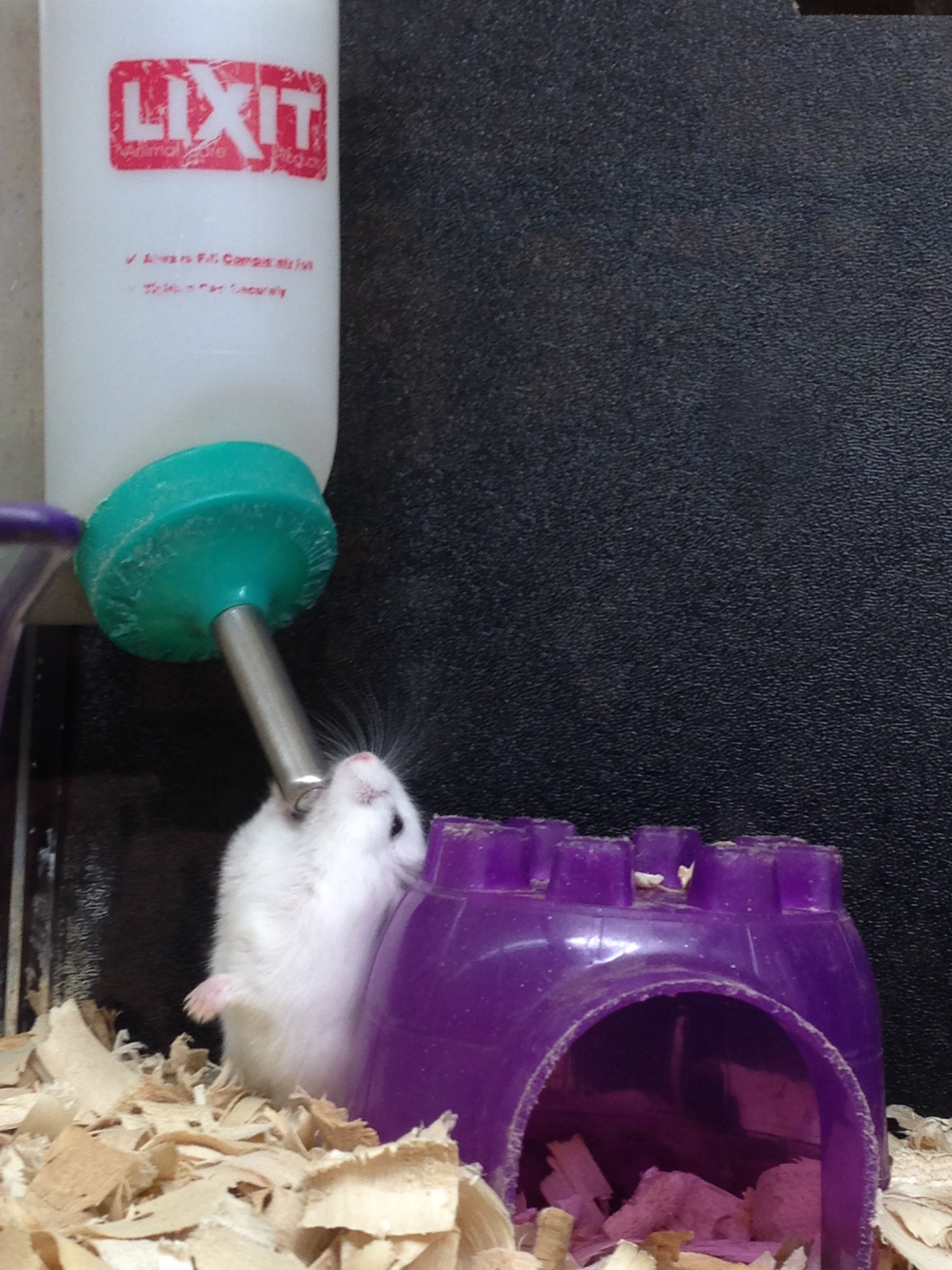
Yes. Drinking some water.
Thanks for reading, no matter where you are, in the moment.
-
Advice I frequently gave while teaching a class at Boston University, where I attended a graduate film program in the 80’s. I often added, “I don’t have to imagine being easily confused.”
-
I thought this was Rule #1 in Strunk and White’s Elements of Style.3 It’s not. It’s Rule # 13.
-
Rule #1 in Strunk and White is something quite passé: “Form the possessive singular of nouns with ‘s. Follow this rule whatever the final consonant.” These days, whenever I write something like “Charles’s friend,” I feel like a freak.